Visit Cilento

Discover the wonders of Cilento
Evaluate our proposals to visit....

Costa del Cilento

Places to visit

Capitello/Ispani

  • Sea and beach tourism
  • 0 km from us

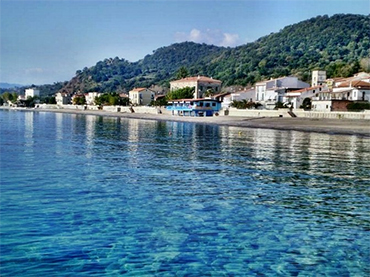
Capitello di Ispani

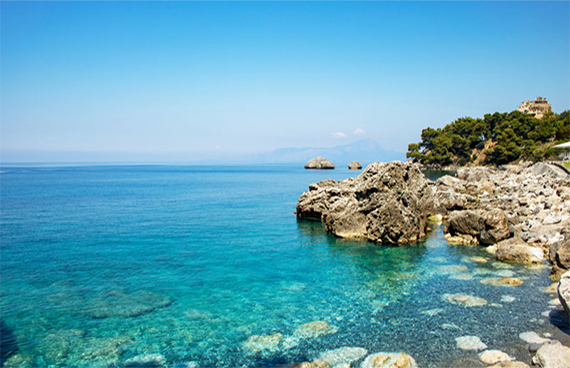
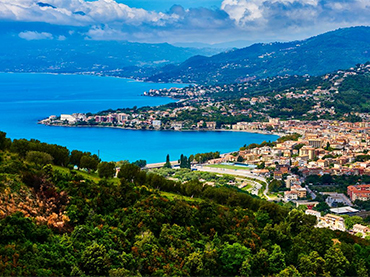
Overlooking the Gulf of Policastro, we find Capitello. The seaside hamlet of Ispani that in 2022 received the Blue Flag is located between Policastro and Sapri, immediately after Villammare. Here life flows peacefully because the pleasantness of the marine panorama is closely connected to the genuineness of the food and wine products and the friendliness of the Cilento people.
"The Blue Flag of Ispani (SA) has also been confirmed for 2024, the village immersed in the greenery of the Cilento, Vallo di Diano and Alburni National Park, which was awarded for the beach of Capitello, the seaside hamlet, overlooking the Gulf of Policastro."(By Viaggi Corriere)
Sapri

  • Sea and beach tourism
  • 3.1 km from us

Sapri

Sapri is best known for the tragic expedition of Carlo Pisacane on 28 June 1857, remembered in verse by the famous poem “Spigolatrice di Sapri” by Luigi Mercantini. The statue of the gleaner has attracted the attention of the national media for its pose. It is possible to admire the new statue at the centre of its seafront.

Maratea

  • Sea and beach tourism - religious tourism
  • 22 km from us

Maratea

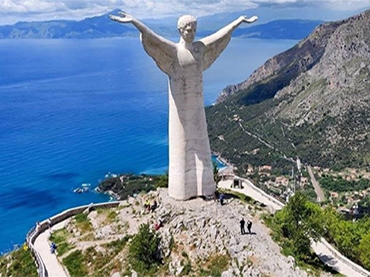
Dream beaches and sacred art, Maratea is a jewel of extraordinary beauty. A unique seaside destination, with beaches and caves to explore and photograph, Maratea amazes everyone with itineraries that lead us to the discovery of sacred art linked to the presence of churches, chapels and monasteries scattered throughout its territory.

Scario

  • Sea and beach tourism
  • 10 km from us

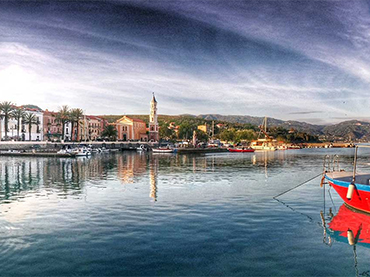
Scario

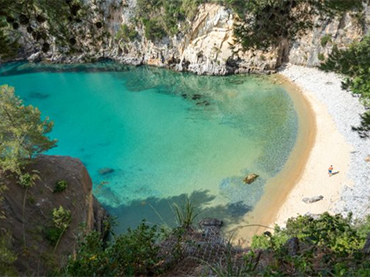
Scario, a seaside hamlet in the municipality of San Giovanni a Piro, is a picturesque seaside village located on the seashore on the slopes of Mount Bulgheria. A renowned tourist center with one of the best-equipped ports in the area, Scario has suggestive attractions, including its beautiful seafront and the wonderful Masseta coastline. The rocks of Mount Bulgheria sink into the sea, forming one of the most beautiful underwater paradises in the Mediterranean, rich in marine species that have long disappeared elsewhere. It is not uncommon to come across schools of dolphins.

Camerota

  • Sea and beach tourism
  • 35 km from us

Camerota

Located within the Cilento, Vallo di Diano and Alburni National Park, Marina di Camerota is a seaside hamlet of the municipality of Camerota, an ancient village perched on Mount Bulgheria. Thanks to its position that sees it nestled along the Cilento coast with the crystal clear sea on one side and green hills on the other, Marina di Camerota has become a renowned seaside resort that attracts tourists every year thanks to the quality of its waters, which have been awarded the title "Blue Flag" for years, and thanks to the natural context in which it is located.

Morigerati

  • Nature tourism
  • 18 km from us

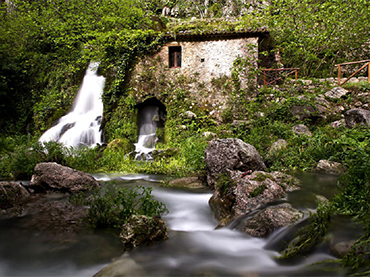
Morigerati

Morigerati is located in the Bussento area in the hinterland of the Gulf of Policastro on the border with the Vallo di Diano. Morigerati, like Sicilì, are two villages immersed in nature, among olive trees and Mediterranean scrub. Morigerati offers many panoramic views and attractions. Starting from the historic center, passing through the fantastic terrace on the square of the Church of San Demetrio Martire overlooking the Bussento valley. No less important is the Ethnographic museum that preserves the artisan memory. In Morigerati there is the WWF Oasis Grotte del Bussento, a nature trail between history and nature along the Bussento river and one of its tributaries. A 3 km path with a 130 meter difference in altitude between fountains, caves, rivers and mills for grinding wheat

Roccagloriosa

  • Religious tourism
  • 20 km from us

Roccagloriosa

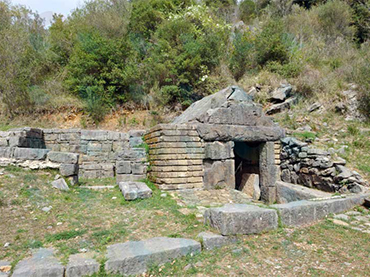
Built on a rocky spur, starting from the 5th century AD it owes its current name to the Madonna venerated in the Church of the Castle; but its history is millenary: it begins in much more remote times. The historic center with its winding stairways, the basements of the houses, the retaining and enclosing walls of Muslim gardens and public spaces, highlight the pleasant peculiarities of the typical Cilento settlements. The Fistelia excavations are worth a visit. The remains of a very ancient tomb date back to the 5th century BC, with a rich collection and two bronze vases of Etruscan-Campanian origin. Among the other finds is a votive aedicule. The economic prosperity of the place is documented by the discovery of high-quality goldsmith jewelry: fibulae, bracelets, rings, necklaces. Also valuable examples of red-figure painted ceramics reflect the multiplicity of economic and cultural relationships held by the community with other centers. Remains of villas from the imperial age found in various districts, furthermore, attest to the agricultural importance of the area, up until around the 3rd century AD.

Palinuro

  • Sea and beach tourism
  • 39 km from us

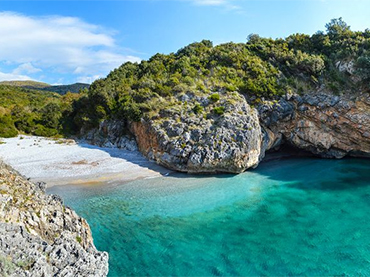
Palinuro

The town is located in Italy. It is a hamlet of the municipality of Centola, in the province of Salerno, Campania and is twinned with the municipality of Prato. It is a renowned and very famous seaside resort in Cilento. Located near the mouths of the Lambro and Mingardo rivers, it develops on the promontory of the same name, Capo Palinuro, famous for its scenic beauty, its crystalline sea and the presence of natural caves. The latter are both emerged (visitable by boat) and underwater, for which you need to be an expert in diving. Precisely for diving, the town of Cilento is a destination for divers from all over the world.

Paestum

  • Art tourism
  • 90 km from us

Paestum

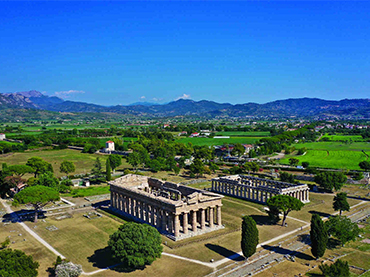
Paestum Ancient city of Campania located on the Tyrrhenian coast, south of Salerno: it was one of the main centers of Magna Graecia. The oldest traces of human settlement on the site date back to the Paleolithic; more consistent are the testimonies relating to the Bronze Age (see Gaudo culture). Around 600 BC, Greek colonists from Sybaris founded a city there, which they gave the name of Posidonia, and built the great sanctuary of Hera a little to the north, near the mouth of the Sele river. At the end of the 5th century BC Paestum was conquered by the Lucanians, under whom it experienced a period of prosperity and reached its maximum territorial expansion; in 273 BC the Romans established their own colony there, changing the name of the city to the current one. forum In the imperial age Paestum began a long and progressive decline, until its definitive abandonment, in the 8th century, due to the marshland of the area.

Join Us

Discover our Rates Now!